We see each other
Celebrating cultural, physical, mental, racial and sexual diversity.
Connecting beyond differences
With over 8 billion people in the world, everyone is unique shaped by different backgrounds, identities, and abilities. This diversity is part of human nature, and something to celebrate.
At ING, we believe achieving our purpose depends on a culture of diversity, inclusion, and belonging (DIB), where everyone feels respected and truly at home.
Art helps to connect people, enrich well-being, and offer new perspectives on the human experience. It creates space for dialogue, community, and meaningful exchange.
These artworks explore six themes: disability & neuro inclusion, race & ethnicity, gender, culture, generation, and LGBTQIA+. These align with ING’s DIB ERGs- and reflect our vision of inclusion and belonging.
What are your everyday acts of inclusion?
ING Art Collection broadens awareness on what’s happening in society
Online tour exhibition We see each other
Erased Pasts
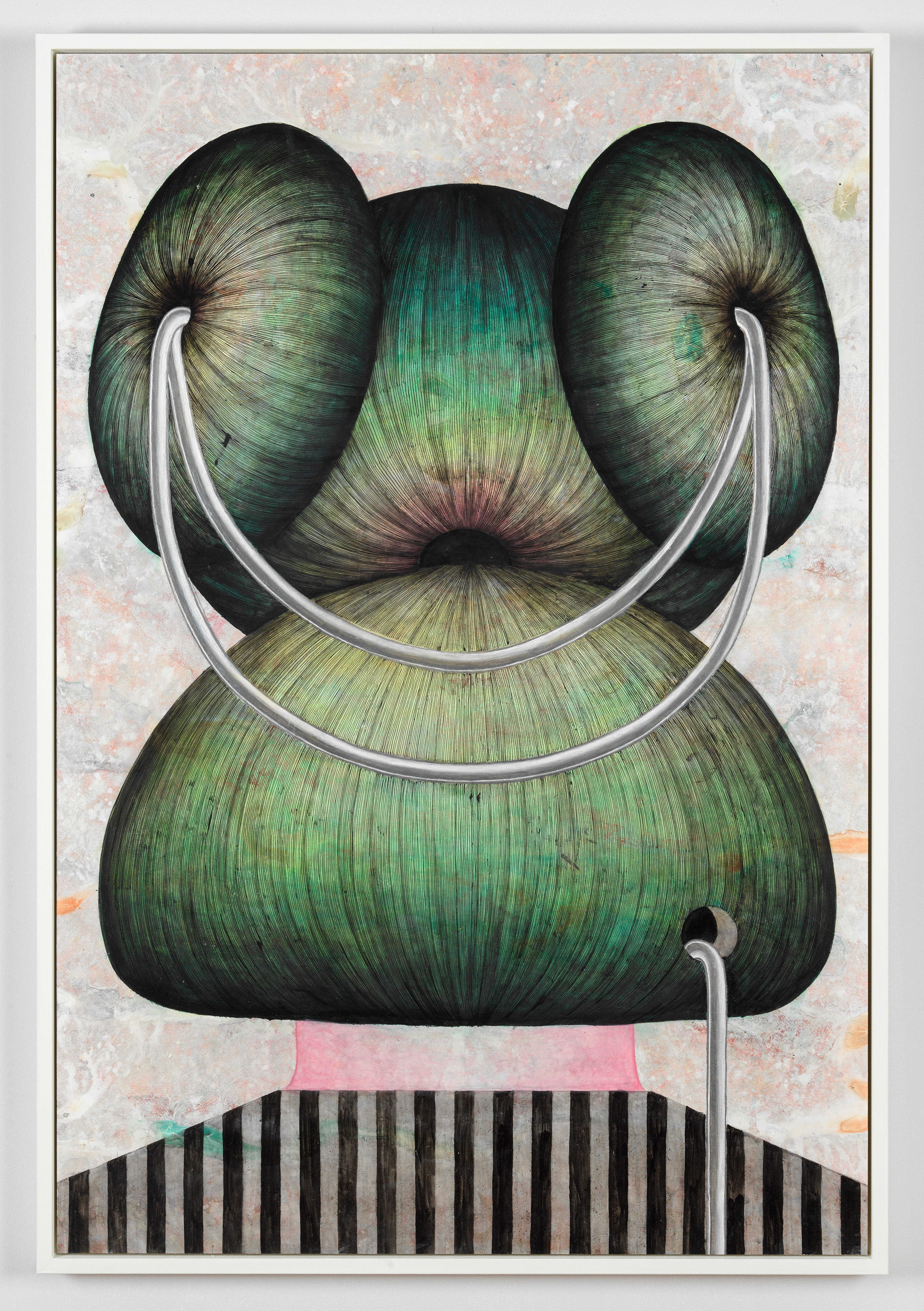
Back of Head: Wangmu’s Peaches, 2025, acrylic ink, acrylic gouache, handmade mica and cinnabar-based acrylic paints, trace e-waste, and gesso on paper
Jen Liu (1976)
The artist only shows the backs of women’s heads. Their hair forms bold, fantastical shapes inspired by late Qing Dynasty styles.
Behind these images lie the stories of 19th-century Chinese migrant women who entered San Francisco by inventing new identities. In doing so, they erased their pasts and became part of a generation whose true histories were never recorded.
The fight for gender equality is far from over

The Only Way out is Through, 2021, fabric, wood
Lara Schnitger (1969)
The exuberant and humorous work of artist and ecofeminist Lara Schnitger directly confronts questions surrounding women’s position, gender norms, and inequality. She combines materials traditionally coded as ‘feminine’ – textiles - with the ‘masculine’ logic of engineering by using a wooden structure.
Through text, the viewer is actively engaged rather than passively observing. The title is a reminder that the fight for gender equality is far from over. Progress only happens if we continue to challenge injustice.
Its monumental scale underscores how female desire has historically - and is still today - been framed as monstrous or grotesque. By embracing this exaggerated form, Schnitger reclaims that narrative, presenting female desire as powerful, assertive, and unapologetic.
Women belong in the history of art
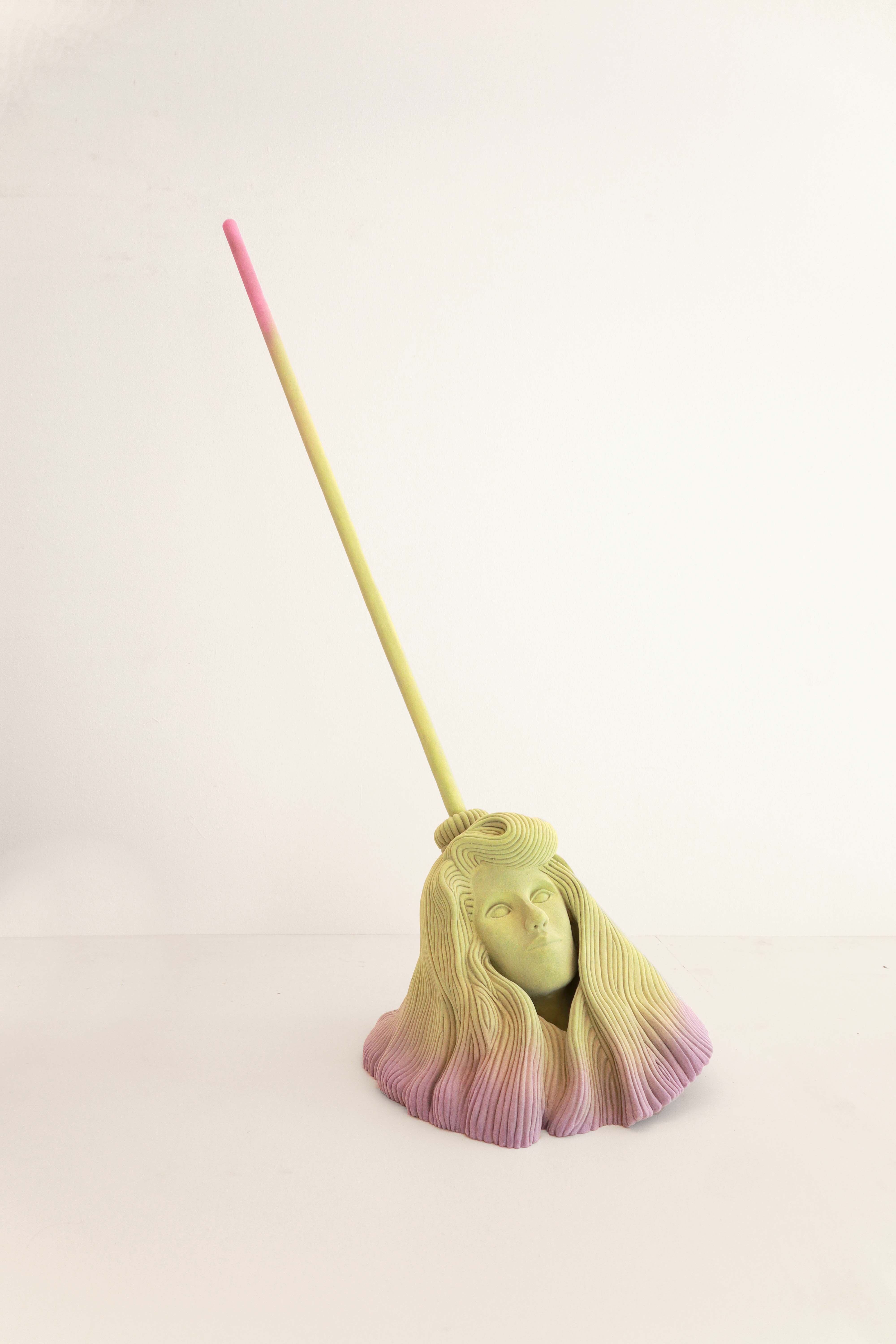
Rust, Routine en Regelmaat (Moppie), 2024, flock on acrylic resin
Vera Gulikers (1991)
In her sculptures, Gulikers questions how (art) history – long dominated by men – has depicted women as subjects rather than creators.
In this self-portrait, her hair becomes a mop, merging the idea of the male artist as icon with the outdated expectation of women as homemakers. With humor, she reclaims her place in art history – and challenges who is expected to do the cleaning.
The myth of man
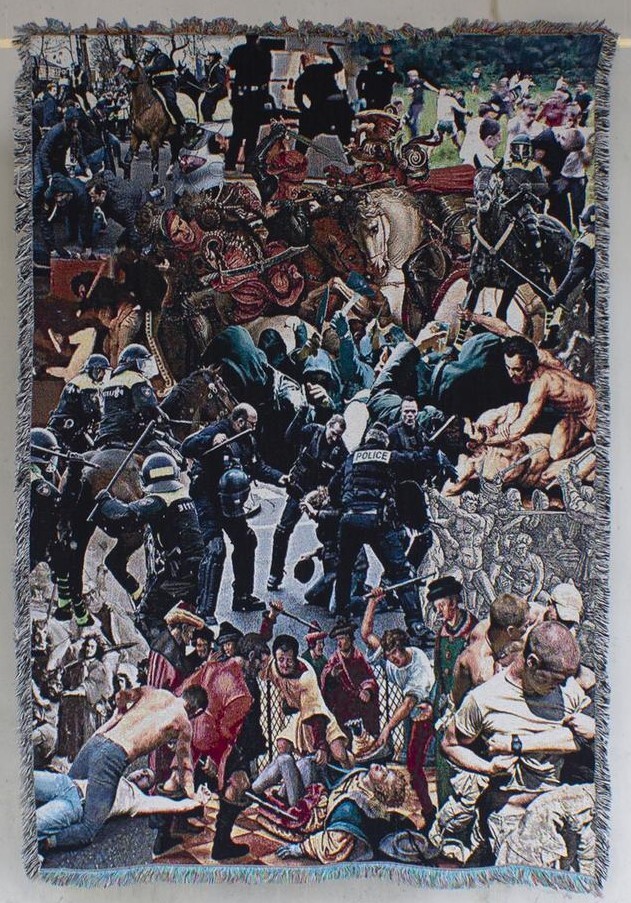
A Foolish Pleasure in Wicked Schemes, 2022, Jacquard Weave 100% cotton
Jeroen van den Bogaert (1995)
This tapestry explores how masculinity has been depicted over time. From Napoleon on horseback to contemporary young men in conflict, different images come together in one composition.
The presence of police in blue uniforms highlights the tension between order and rebellion. Notably, only men are shown.
The work raises questions about how ideas of masculinity are formed and continue to shape us. What roles do power, adventure, and group dynamics play? And how do these images relate to our current views on identity and behaviour?
Owning desire
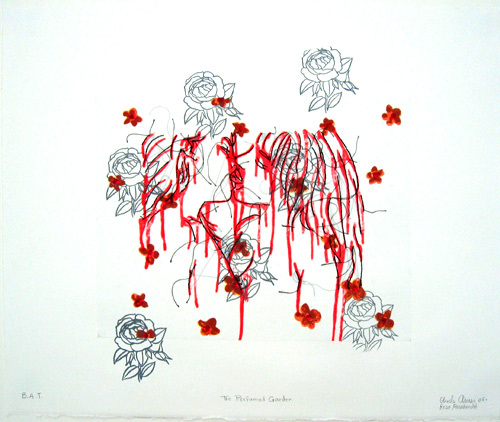
Dalliances, 2006, lithography with digital needlepoint
Ghada Amer (1963) en Reza Farkhondeh (1963)
Ghada Amer reclaims the female perspective in art history by merging embroidery - traditionally seen as “feminine” - with painting to form a new visual language.
Her works depict explicit intimacy with delicate needlework, creating a tension between tenderness and power. Women are no longer objects of the male gaze, but subjects of their own desire.
This work invites reflection: who is seen, and who is looking? Is there space for female experiences of the body, identity, and desire -and how do they relate to broader cultural expectations?
Seeing the unseen
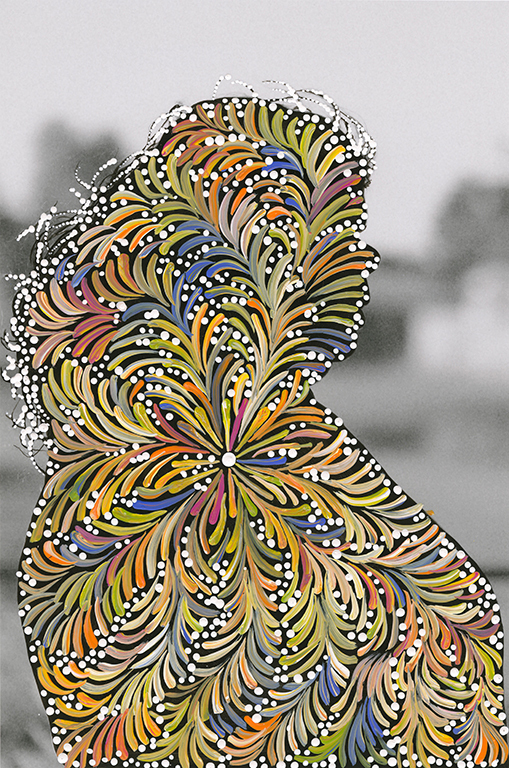
Side Portrait Right: Restricted with Maria Nampijinpa Brown, 2014-2018, acrylic on archival pigments prints
Patrick Waterhouse (1981)
Although photographing people is sensitive to Warlpiri culture, these works are the result of collaboration. Aboriginal artists have painted over Patrick Waterhouse’s photographs, hiding identities while revealing new layers. The images both show and conceal.
Set against Australia’s history of colonization - marked by land loss, violence, and ongoing discrimination and inequality – these works reflects on visibility and power. They ask: how do we look at others, and how do they want to be seen?
Voice of resilience
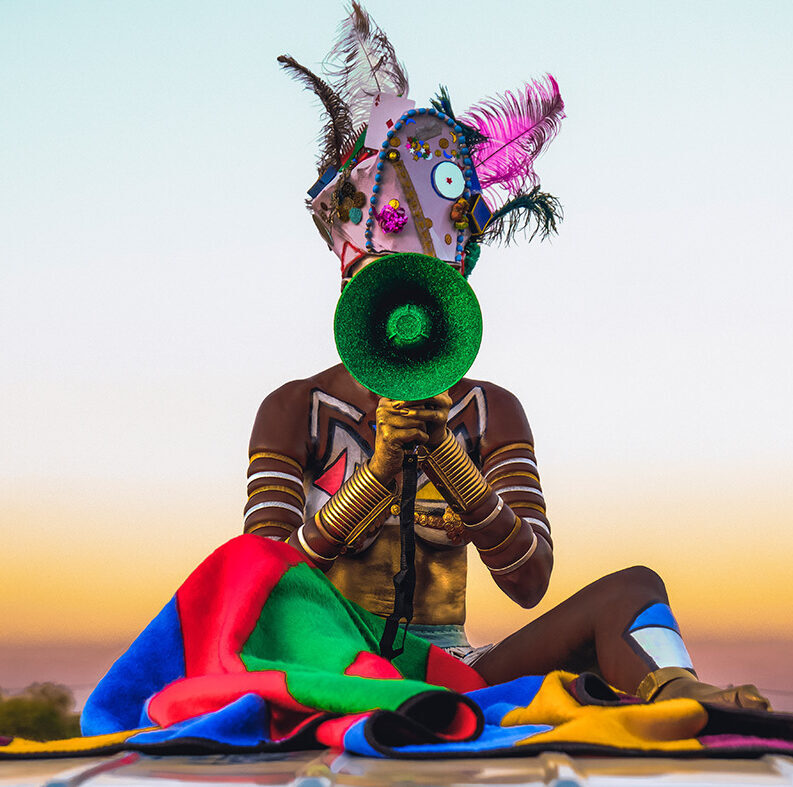
Nges’rhodlweni: Is’memo 3, 2023, Giclée print on Hahnemühle Fine Art Baryta 325 gsm paper
Zana Masombuka (1995)
Zana Masombuka is a South African artist from the Ndebele community. She brings traditional rituals into the present.
In this work, she appears as an “invitation spirit” that unites people. A megaphone covers her face, turning attention inward.
Her body is painted with Ndebele patterns - honouring ancestors and keeping their language alive. Once used as a hidden code under colonial rule, these designs speak of resilience.
By blending past and present, the artist keeps her culture alive for future generations and shares it with a global audience.
Tagged by inequality
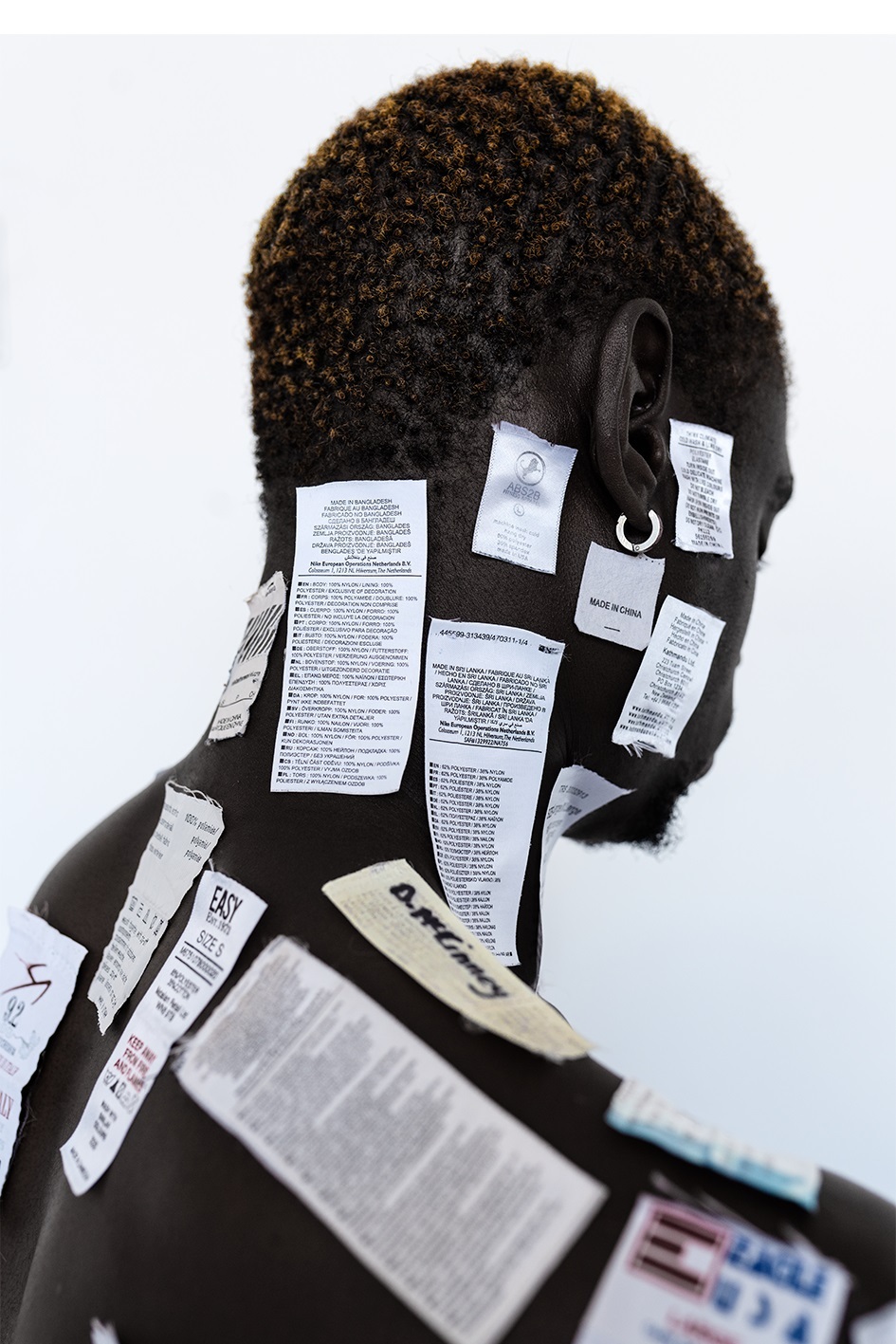
Prototype 3, 2023, inkjet print on Hahnemühle Photo Rag® Baryta
Jamal Nxedlana (1985)
At first glance, you’ll notice clothing labels cover this figure’s back. They point to the vast flow of discarded clothes shipped from the West to Africa. Often framed as donations, many are unusable or resold. This practice displaces local textile industries and causes pollution of land and water.
Look closer, and the labels reveal where the textiles were made. The artist traces a global cycle: produced for Western markets, discarded, and returned to South Africa, the artist’s homeland. The labels expose the lasting impact of post-colonial systems.
The legacy of colonialism
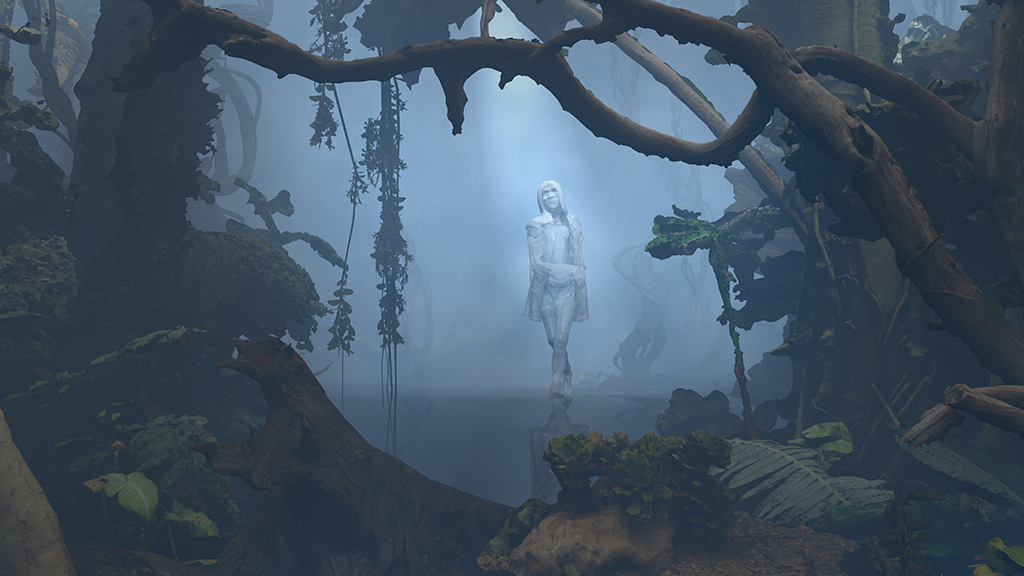
I Wan'na Be Like You, 2024, HD video with sound, digital animation, loop, 12:44 min
Persijn Broersen (1974) and Margit Lukács (1973)
The makers of this video challenge the Western idea of “wilderness” or “jungle” as empty land to conquer. Once claimed by colonial powers, these landscapes were staged in many European botanical gardens.
Using digital tools, the artists create a virtual jungle - an artificial, unsettling space. A hybrid spirit moves through it, caught between the past and future.
The figure dances to a new version of Disney’s Jungle Book song I Wan’na Be Like You. This familiar song is reworked to highlight its racist undertones and reflect on the legacy of colonialism.
Rewriting the canon
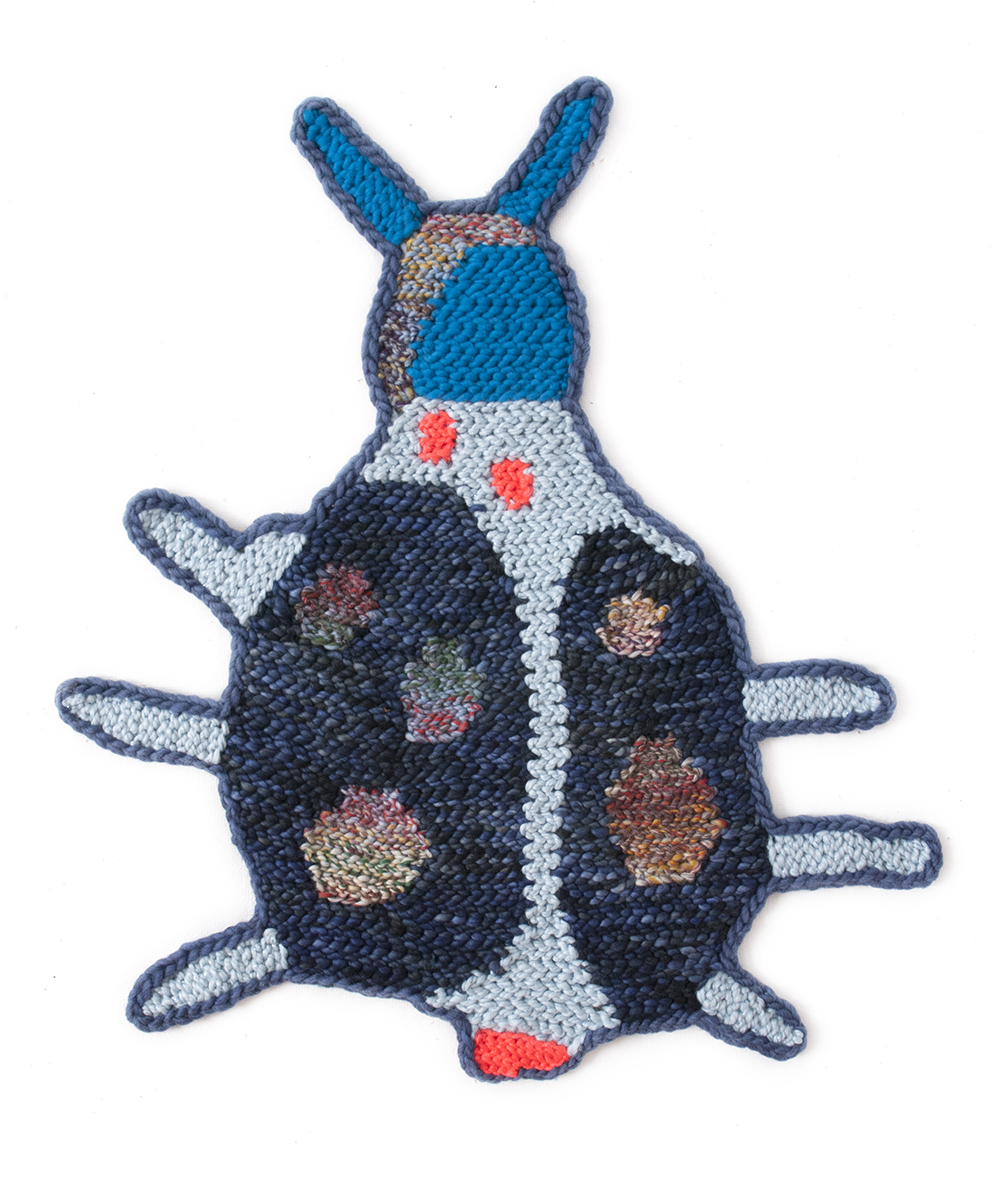
Agnes Martin as a Lady Bug Meditating on the Color Blue, 2020, hand crocheted assorted fibers
Wells Chandler (1985)
The ladybug represents the well-known artist Agnes Martin (1912-2004). Wells Chandler reimagines her through a transgender lens; as someone who might identify as trans or non-binary today.
The trolls Patricia and Liam are named after family members. After coming out, Chandler experienced estrangement and distance from them; naming them keeps their presence close.
These trolls are made of a head and a butt - a shared, universal lower body part. By mixing this playful form with references to art history, Chandler challenges a tradition that has often excluded him. With humor and warmth, he questions a canon dominated by white, heterosexual men and makes space for queer and transgender experiences.
(Almost) lost communities remembered
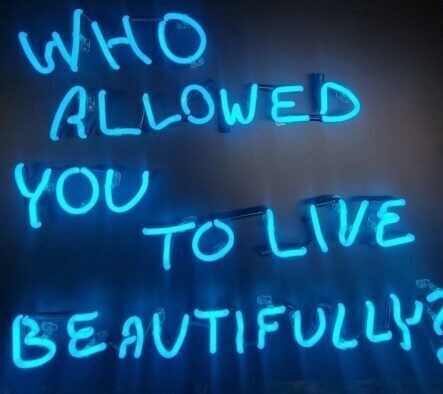
Who allowed you to live beautifully?, 2024, Neon sign
Anton Shebetko (1990)
At first, the question feels personal – even confrontational. The phrase comes from a misattributed image that went viral during the war in Ukraine. It evolved into a symbol of propaganda, resentment, and the power of misinformation. Representing envy toward those living “better”.
Shebetko uncovers Ukraine’s hidden queer history through themes of memory, loss, and identity. Using photography and archives, he brings erased stories back into view.
Simeiz, a village in Crimea, was once a thriving LGBTQ+ refuge, drawing thousands of visitors from across the region.
Since Russia’s occupation of the village in 2014, it has been threatened by homophobic laws. If it disappears, only images will remain – a fragile record of a lost community.
Who gets to belong?
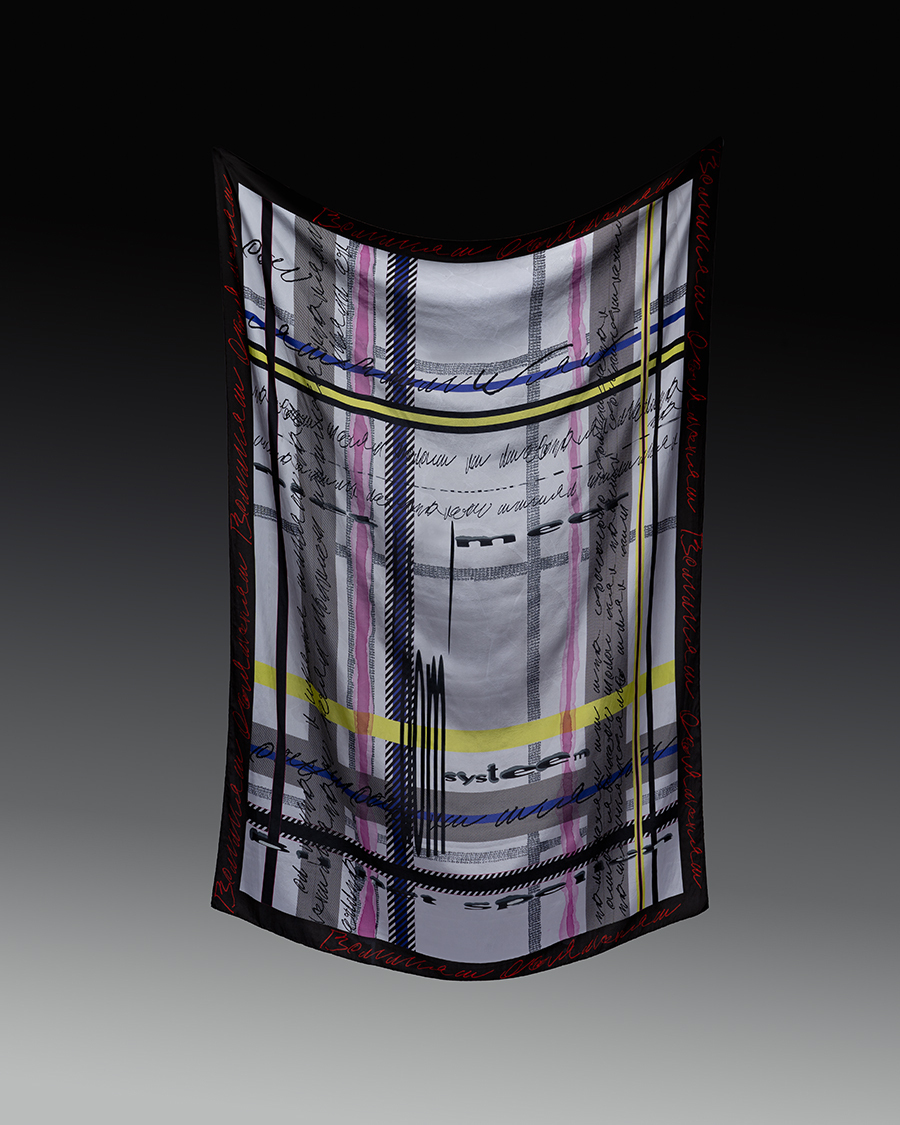
Teens Self-Portrait #1, 2023, silk, handprints and digital scans
Bonnie Ogilvie (1994)
Bonnie Ogilvie, half Dutch and half Scottish, uses tartan patterns to show her identity. Tartans were once associated with a specific area or clan. Here the tartan refers to the artist herself: it’s a self-portrait.
In this work, she looks back at her experience with dyslexia. As a child, tests made her feel different and judged. In this tartan, she takes control. She combines texts from those tests with a secret writing system she created for her diaries – one only she could read.
Her work shows that language and education systems are not neutral. They shape those who are seen as capable and those left out. It calls for a greater understanding of different ways of thinking and learning. And for a more flexible, supportive education that empowers children rather than limits.
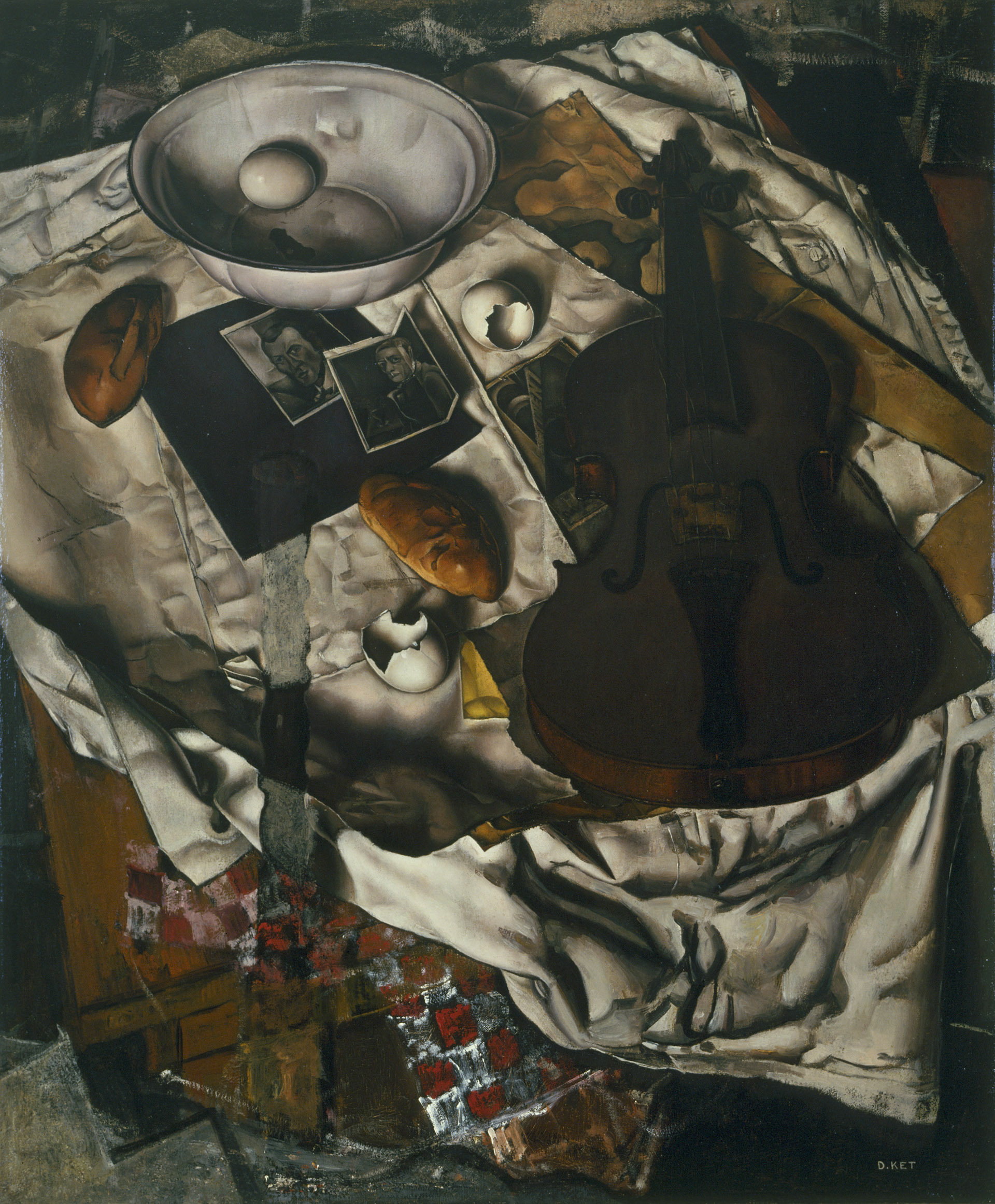
Still Life with Violin and Newspaper Clippings and Self-Portraits of Schuhmacher and Hynckes (Stilleven met viool en kranteknipsels met zelfportretten van Schuhmacher en Hynckes), 1934-1938, oil paint on canvas
Dick Ket (1902-1940)
The objects on the table don’t match the perspective. This is striking, as Dick Ket was known as a perfectionist. It gives the painting a quiet tension.
The table seems to move away, like we are looking through a window. The cloth, full of wrinkles and stains, is painted very carefully. The lower left corner is unfinished though. Ket was very ill and could not finish many of his last paintings.
An ode to age
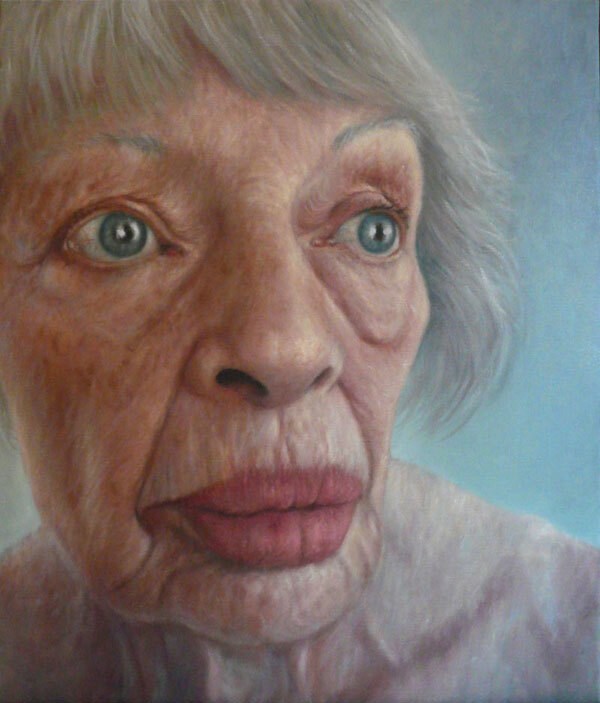
Frozen, 2008, oil on canvas
Francien Krieg (1973)
Painter Francien Krieg focuses on ageing and the connection between life and death. Her work questions how we see growing older and challenges common ideas about age.
She portrays older women with both vulnerability and strength. Their bodies show the traces of time, but their presence is powerful. By listening to their stories, Krieg found that many still feel like the same young person inside.
She admires women who accept ageing with pride and dignity—and sees them as an inspiring example for all of us.
“Surely not me, with my wrinkles?”
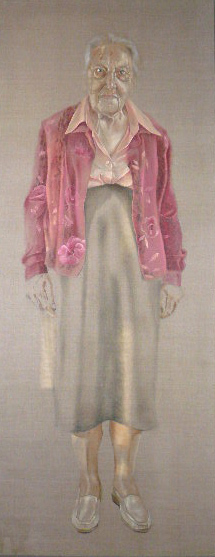
Surely Not Me With My Wrinkles? (Ik dochs net mei myn rimpels?), 2008, oil on canvas
Hanny de Beer (1979)
“Me? With these wrinkles?” grandmother laughs at the painter when asked to pose.
For painter Hanny de Beer, this is exactly where the stories lie: in wrinkles, lines, and scars – traces of laughter, loss, care, and joy.
Her work challenges the beauty ideals imposed by the media. It does not show perfection, but real life - visibly lived, honest, and valuable.
Ipanema revisited of Experience shaping identity
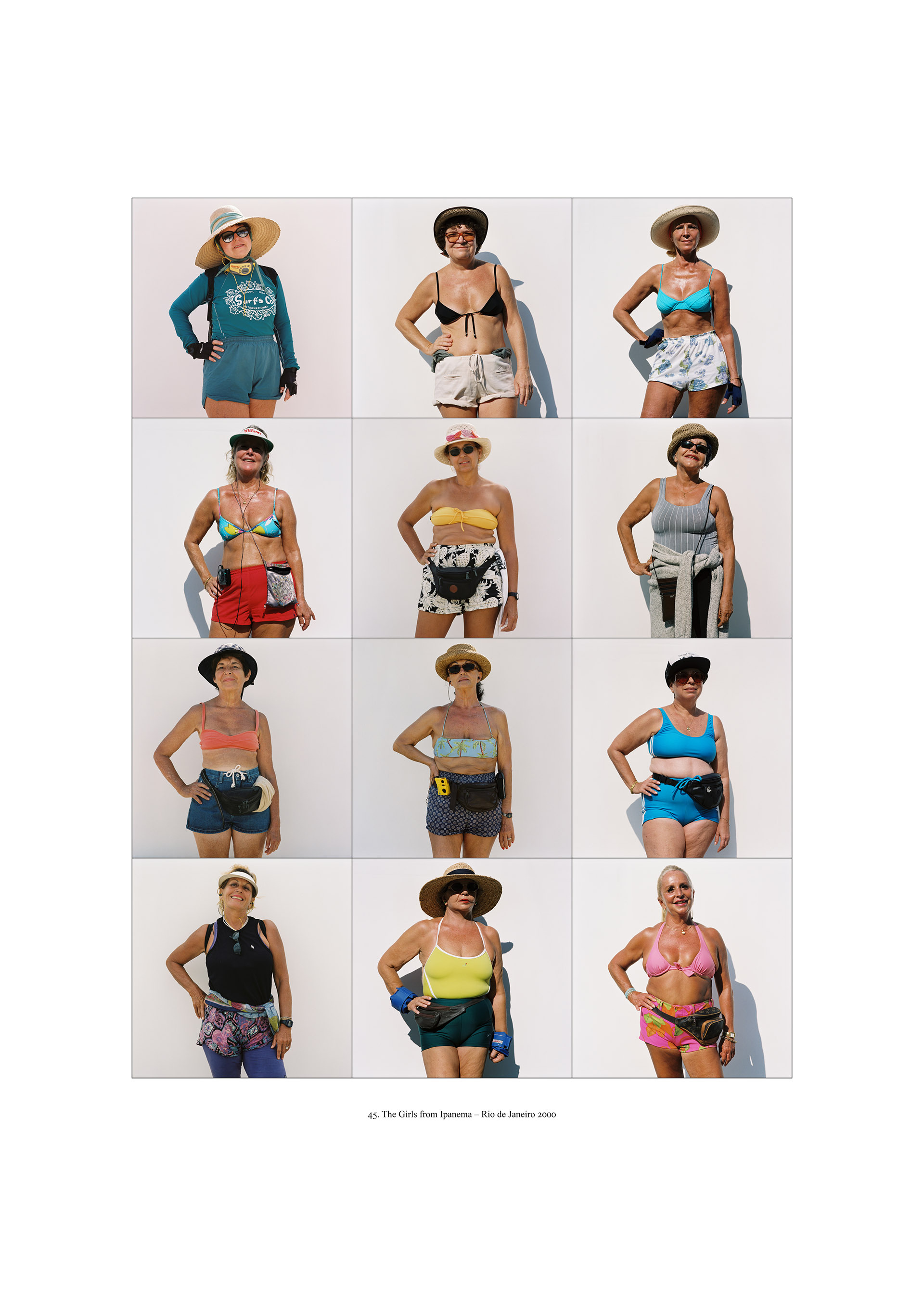
The Girls from Ipanema - Rio de Janeiro, 2000, high-gloss C-print
Ellie Uyttenbroek (1965) and Arie Versluis (1961)
On Ipanema Beach, a group of women share a distinct style and move with quiet confidence. Their look echoes the 1960s image of The Girl from Ipanema. The song introduced a youthful, carefree image of a girl. These women carry that cultural memory with them. Not as nostalgia, but as something reinterpreted and made their own.
This work shows how age and experience shape identity. And how people continue to define themselves over time, both individually and together.